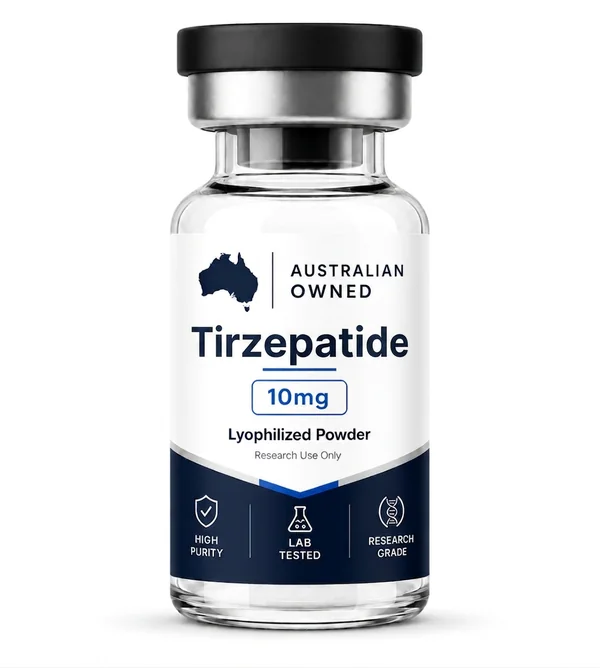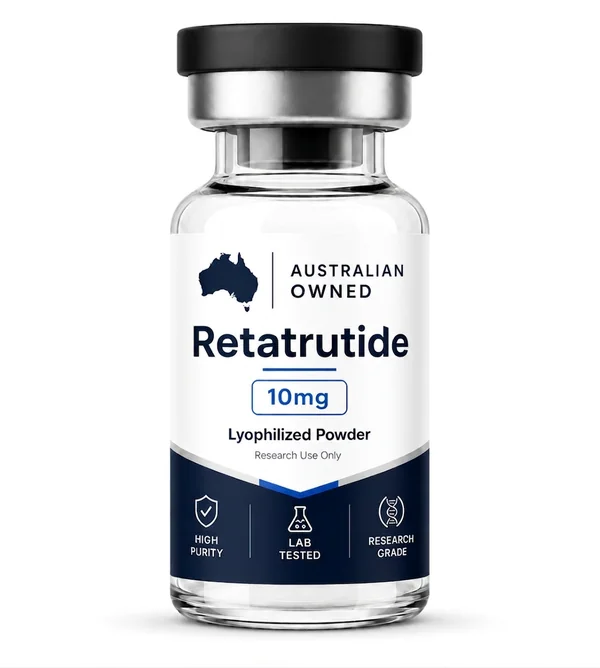
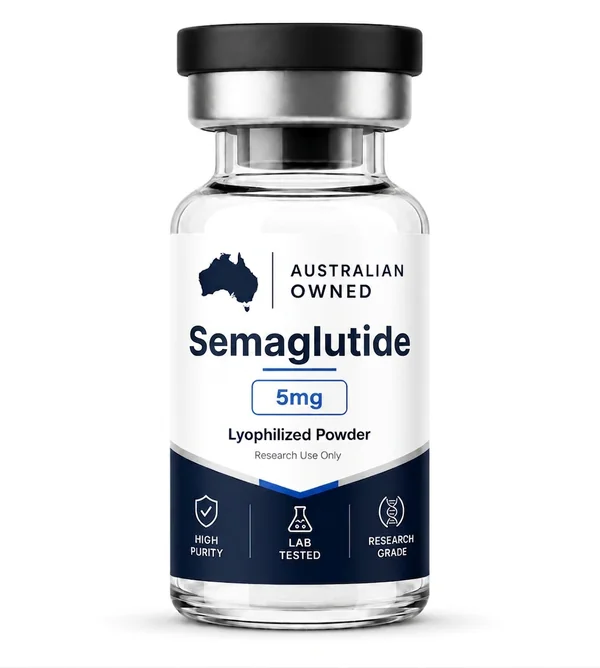
A deep dive into the technical management of metabolic research compounds within Australian laboratories, focusing on the stability of female-specific experimental models.
Scientific scrutiny regarding peptides for weight loss female research has intensified in Australia, particularly as investigators explore how biological sex influences metabolic signaling and adipose tissue regulation. To ensure reproducible outcomes, the physical handling of these sensitive amino acid chains must be governed by stringent laboratory SOPs that prevent degradation before the first assay begins.
Critical Bench-Side Preparation Matrix
Maintaining the primary and secondary structures of peptides requires more than basic refrigeration. The table below outlines the essential environmental and mechanical considerations for researchers.
| Variable | Recommended Standard | Impact on Research |
|---|---|---|
| Light Exposure | Shield from UV/Ambient Light | Prevents photo-oxidation of sensitive residues |
| Temperature (Dry) | -20°C for long-term storage | Arrests kinetic degradation of the lyophilised cake |
| Temperature (Liquid) | 2°C to 8°C (Constant) | Maintains bioactivity of aqueous solutions |
| Mechanical Stress | Gentle rolling/swirling only | Avoids peptide shearing and aggregation |
Verification and Reconstitution Strategy
Before introducing compounds into a female metabolic study, the research team must validate the chemical identity of the shipment. Australian labs typically employ a multi-step verification process to ensure the test substance aligns with the experimental design.
- Validate the Certificate of Analysis (COA) against the physical vial lot number to confirm >98% purity.
- Allow the lyophilised powder to reach thermal equilibrium at room temperature before adding a diluent to avoid condensation inside the vial.
- Utilise a sterile diluent, typically bacteriostatic water, introducing it slowly down the glass side-wall to minimise foaming.
- Label each vial with the precise concentration, date of reconstitution, and initials of the lead technician.
Technical Precision Tools
Access our automated dilution tools and our complete library of analytical documentation for every batch.
Managing Longitudinal Stability
In longitudinal studies involving peptides for weight loss female cohorts, the longevity of the reconstituted compound is a critical variable. Most incretin-related analogues exhibit a specific window of stability once in liquid form. To mitigate risk, laboratories should implement an 'aliquotting' strategy: dividing the mother solution into single-use sterile micro-vials. This prevents the repeated puncturing of a single septum, which can lead to bacterial ingress or accidental coring.
Inventory and Disposal Protocols
Accurate record-keeping ensures that any variance in experimental results can be traced back to a specific production lot. Once a project concludes, all glass remnants and chemical waste must be processed through institutional biohazard channels, with the final consumption volume reconciled against the initial mass.
Secure Premium Research Materials
Browse our full range of metabolic and weight-loss research peptides, manufactured to the highest analytical standards for Australian scientists.
Common Inquiries in Australian Peptide Research
What happens if a peptide shipment is exposed to heat during delivery?
Lyophilised peptides are generally resilient to short-term ambient temperature shifts during transit. However, if a shipment arrives with damaged thermal packaging, researchers should photograph the parcel and contact Buy Peptides immediately to discuss batch integrity.
Why is bacteriostatic water preferred over sterile saline?
Bacteriostatic water contains benzyl alcohol, which inhibits microbial growth. This is essential for multi-draw research vials used over several weeks, whereas saline lacks antimicrobial properties.
How do I confirm the purity of my specific batch?
Every order is accompanied by batch-specific HPLC and MS data. You can also retrieve these reports via our online portal using your lot identifier.
Can I refreeze a peptide after it has been reconstituted?
Refreezing often leads to denaturation and a loss of potency. It is best practice to store liquid peptides at 2-8°C or aliquot them for single-use if a study spans several months.