A comprehensive technical overview for Australian scientists exploring GHK-Cu, focusing on molecular stability, local sourcing, and rigorous laboratory standard operating procedures.
For Australian scientists investigating tissue remodelling and antioxidant pathways, the ghkcu peptide represents a sophisticated tripeptide-copper complex of significant interest. Achieving valid experimental outcomes depends entirely on the chemical integrity of the copper-chelated structure and the precision of laboratory handling from the moment of intake.
Understanding GHK-Cu Stability and Storage Standards
The molecular architecture of the ghkcu peptide is sensitive to environmental stressors such as thermal fluctuations and ultraviolet exposure. In a domestic research setting, maintaining a strict cold-chain is the primary method for preventing hydrolytic cleavage and ensuring the copper ion remains securely bound to the peptide backbone.
- Store lyophilised powder at -20°C for long-term preservation of up to 24 months.
- Ensure all storage containers are opaque or stored in darkness to mitigate light-induced degradation.
- Allow vials to reach ambient temperature before opening to prevent moisture condensation on the powder.
- Utilise medical-grade refrigeration units with consistent temperature monitoring for all hydrated solutions.
Procedural Reconstitution Benchmarks
Successful reconstitution requires more than just mixing; it involves specific physical techniques to protect the delicate secondary bonds of the peptide. Australian laboratories should follow these steps to maintain high assay sensitivity.
| Step | Action Item | Scientific Rationale |
|---|---|---|
| Preparation | Sanitise the septum using 70% ethanol | Elimination of microbial contaminants |
| Introduction | Direct diluent down the glass wall slowly | Prevention of peptide denaturation from shearing forces |
| Dissolution | Gentle axial rotation only (no shaking) | Avoiding foam formation and oxidation |
| Verification | Confirm clear, blue-tinted solution | Ensuring complete copper complex solubility |
Analytical Bench Tools
Verify your concentration values and access verified domestic purity reports.
Domestic Sourcing and Procurement in Australia
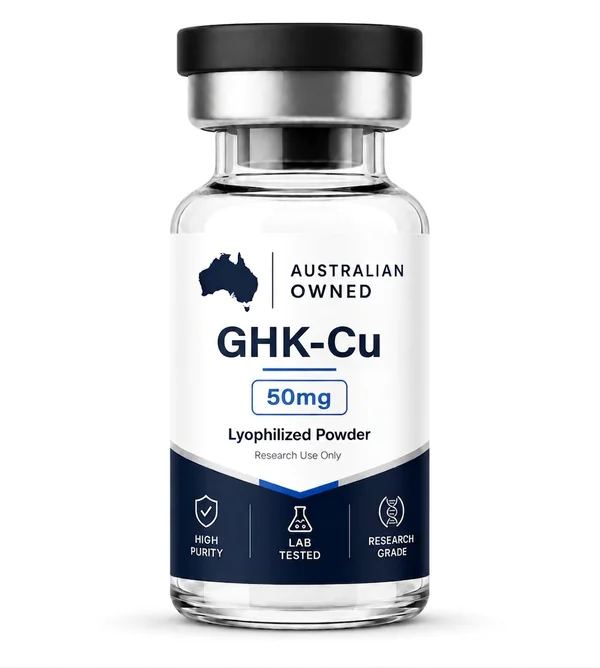
Reliable data starts with reliable materials. Sourcing ghkcu peptide through Buy Peptides ensures that the compound has been warehoused in climate-controlled domestic facilities, bypassing the risks of international customs delays and extreme temperature exposure during long-haul transit.
- Select the required quantity from our validated GHK-Cu inventory.
- Review the specific lot purity using our domestic testing database.
- Confirm express dispatch for temperature-sensitive delivery to your facility.
- Integrate the provided analytical data into your laboratory's quality management system.
Order Research-Grade GHK-Cu
High-purity peptides dispatched from within Australia for immediate laboratory use.
Quality Control and Batch Verification
Every study must be underpinned by verifiable chemical standards. We focus on two primary analytical metrics for every batch of ghkcu peptide distributed within Australia: purity and identity. High-Performance Liquid Chromatography (HPLC) ensures the sample is free from synthesis by-products, while Mass Spectrometry confirms the exact molecular mass of the copper-tripeptide complex.
What is the visual indicator of a high-quality GHK-Cu batch?
The lyophilised powder should appear as a consistent, pale blue 'cake'. Any discolouration or signs of moisture inside the vial suggest the vacuum seal may have been compromised.
How long can GHK-Cu remain stable at room temperature?
While lyophilised vials are stable for transit, they should be returned to cold storage upon arrival. Once reconstituted, the peptide should never be left at room temperature for extended periods.
Which diluents are recommended for this specific complex?
Sterile bacteriostatic water is the gold standard for multi-use research vials, as it inhibits potential bacterial growth that could degrade the peptide sequence.
Are there specific disposal requirements for these materials?
Researchers should follow their local institution's guidelines for heavy metal chelate disposal, ensuring all biological and chemical waste is neutralised appropriately.
Further Technical Inquiries
Contact our Australian-based team for specific data regarding shipping and batch analytics.