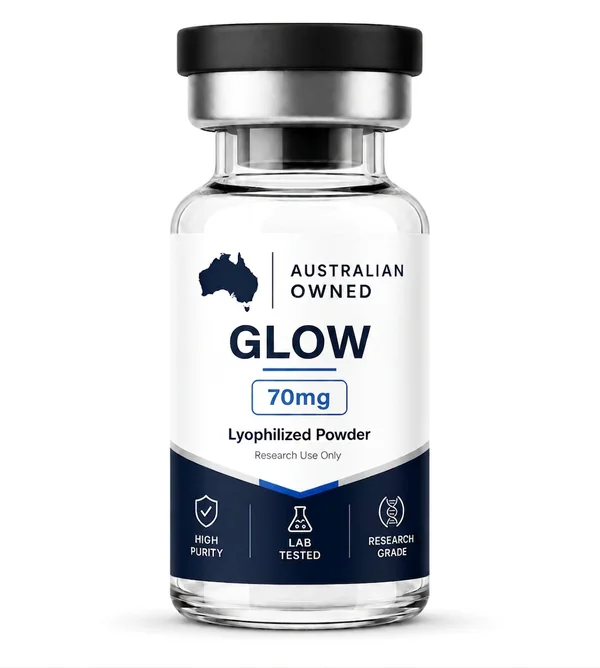

A deep dive into the biochemical characteristics and technical requirements for utilizing hydrolyzed collagen peptides in cellular signaling and matrix studies.
The study of hydrolyzed collagen peptides involves examining low-molecular-weight sequences derived from the breakdown of natural collagen fibres. These short-chain amino acids, rich in hydroxyproline, proline, and glycine, are utilized in laboratory settings to observe their interaction with the extracellular matrix (ECM). Because their bioactivity is tied directly to their chain length and amino acid distribution, researchers must prioritize materials with high sequence fidelity.
For Australian scientists, the challenge lies in ensuring that the hydrolyzed collagen peptides used in assays are free from contaminants and represent a consistent molecular mass. Variability in the hydrolysis process can lead to disparate experimental outcomes, making rigorous verification of peptide standards a prerequisite for any valid study.
Structural Analysis and Experimental Design
Current research frequently investigates how these peptide fragments influence fibroblast activity and collagen synthesis in vitro. Effective experimental design requires a clear understanding of the specific enzymatic pathways used during the initial isolation, as these dictate the resulting peptide profile. Without this data, interpreting cellular responses becomes difficult.
Relying on generic biochemical data is often insufficient for modern analytical work. Batch-to-batch consistency is the cornerstone of reproducibility; therefore, obtaining documented proof of purity and mass distribution is non-negotiable for high-tier research projects.
Verify Your Peptide Specifications
Access our comprehensive library of analytical documents to confirm the purity and identity of your research materials.
Technical Specifications Table
| Feature | Requirement | Verification Method |
|---|---|---|
| Primary Structure | High Gly-Pro-Hyp content | Amino Acid Analysis |
| Purity Threshold | Minimum 98% peptide content | HPLC Validation |
| Molecular Mass | Targeted Dalton range | Mass Spectrometry (MS) |
| Physical Form | Lyophilised solid | Visual inspection |
| Solubility | Complete aqueous dissolution | Reconstitution test |
Ensuring Assay Reproducibility
By implementing a standard verification protocol before the commencement of testing, labs can eliminate variables associated with synthesis degradation. We recommend documenting every step of the arrival and preparation phase to maintain a robust audit trail.
Calculate Precise Working Solutions
Use our automated tool to determine the exact volume of diluent required for your target concentrations.
Standard Operating Procedures for Reconstitution
- Transition the peptide vial and bacteriostatic water to a stable room temperature environment.
- Cleanse the vial's rubber stopper thoroughly with a 70% alcohol swab.
- Introduce the diluent slowly, aiming the stream at the glass wall rather than directly at the lyophilised powder.
- Swirl the vial with a gentle motion; avoid any high-energy shaking which may cause foaming or denaturation.
- Label the vial with the date, concentration, and internal tracking number immediately after dissolution.
- Refrigerate the solution at 2°C to 8°C between experimental uses.
Long-Term Stability Requirements
- Store dry peptides at -20°C in a desiccated environment to prevent moisture absorption.
- Keep reconstituted solutions strictly between 2°C and 8°C to maintain structural integrity.
- Avoid multiple freeze-thaw cycles by aliquoting the solution into smaller, single-use containers.
- Protect all peptide materials from direct UV light exposure throughout the storage duration.
Logistics and Quality Assurance in Australia
Sourcing through Buy Peptides allows Australian institutions to bypass the complexities of international customs. Our local distribution model ensures that temperature-sensitive hydrolyzed collagen peptides are delivered via rapid, tracked logistics, maintaining the chain of custody from our facility to your laboratory bench.
How is the identity of the hydrolyzed collagen verified?
Identity is confirmed using Mass Spectrometry to match the molecular weight against theoretical profiles, alongside HPLC to ensure high purity.
What is the typical shelf life of a reconstituted collagen peptide?
When stored in a sterile, refrigerated environment (2°C - 8°C), most liquid peptides remain stable for research use for approximately 4 to 6 weeks.
Can I request data on a specific production lot?
Yes, our database maintains detailed records for every batch, including HPLC and MS reports which are available upon request.
Are these materials suitable for medical use?
No, these peptides are manufactured and supplied exclusively for in vitro laboratory research and are not intended for human consumption or therapeutic use.
Order Research-Grade Peptides
Secure your supply of high-purity hydrolyzed collagen peptides with fast domestic shipping across Australia.