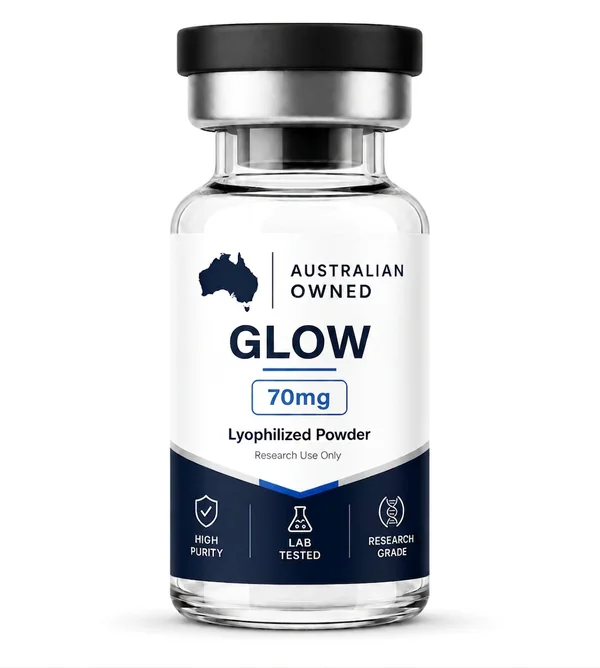
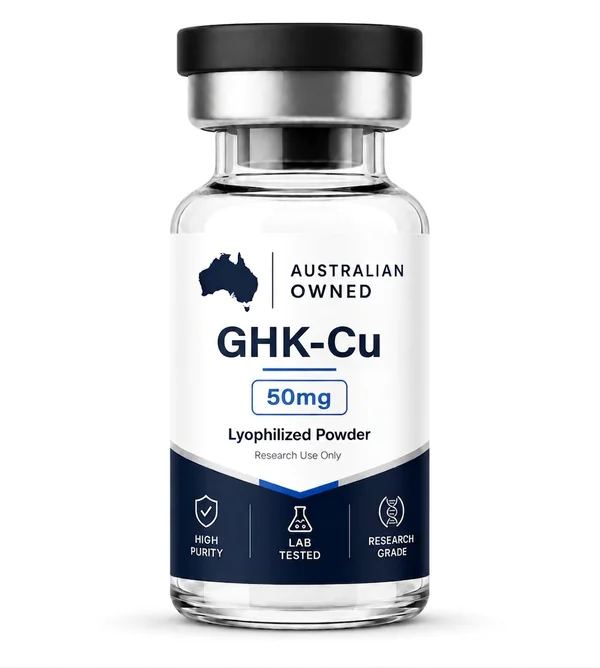
A professional analysis of GHK-Cu verification protocols, focusing on the chemical coordination of copper peptides and essential documentation for Australian research.
The scientific community identifies the copper peptide GHK-Cu as a specific tripeptide-copper complex where glycyl-L-histidyl-L-lysine coordinates with a copper(II) ion. For Australian investigators, understanding the structural nuances of this bioinorganic molecule is vital for ensuring experimental reproducibility. This briefing outlines the necessary chemical benchmarks required to qualify this compound for use in domestic laboratory settings.
GHK-Cu Verification: Mandatory Lab Benchmarks
When sourcing copper peptide for sophisticated assays, superficial marketing claims must be replaced by rigorous analytical data. The divergence between authenticated research reagents and sub-standard imports has grown significantly. Researchers must now employ a multi-layered verification strategy to confirm that the lyophilised material meets international peptide synthesis standards.
| Analytical Test | Significance | Acceptable Value |
|---|---|---|
| RP-HPLC | Determines relative purity and identifies impurities | ≥ 98.0% |
| Mass Spectrometry | Validates the molecular weight of the complex | Matched to theoretical MW |
| Visual Inspection | Ensures consistent lyophilisation and colour | Uniform blue-tinted cake |
| Traceability | Connects vial batch to its specific COA | Unique batch identifier |
Detecting Red Flags in Supplier Documentation
A robust Certificate of Analysis (COA) is more than just a list of numbers. In Australia, research teams should be wary of documents that lack clear date stamps, specific technician signatures, or raw chromatographic traces. If a vendor cannot provide the specific HPLC graph associated with your lot number, the material purity remains an unquantified variable.
Verify Your Research Material
Access our comprehensive library of analytical data and verified copper peptide profiles maintained within our Australian facility.
Navigating the Australian Procurement Landscape
- Prioritise domestic stock to bypass volatile international customs delays that can expose peptides to heat.
- Ensure the copper peptide is supplied in a vacuum-sealed, lyophilised state for maximum long-term stability.
- Verify that the supplier provides a dedicated reconstitution guide or calculator to assist in molarity accuracy.
- Confirm the availability of rapid local shipping to maintain cold-chain integrity from dispatch to receipt.
Technical Tools for Investigators
Utilise our specialised laboratory calculators to determine precise diluent volumes for your research-grade GHK-Cu.
Storage and Handling Protocols
GHK-Cu Procurement: Frequently Asked Questions
How does Buy Peptides ensure the quality of copper peptide for Australian researchers?
Every batch undergoes independent analytical verification including HPLC and Mass Spec. We hold all stock locally in climate-controlled conditions to ensure immediate dispatch and maximum stability.
What are the payment options for institutional orders?
We facilitate various payment methods including secure credit card processing, bank transfers, and digital currencies. Details are available on our How to Pay page.
Why is domestic shipping important for GHK-Cu?
International transit often leads to extended time in unrefrigerated customs warehouses. Domestic delivery via Express Post ensures your research materials arrive within 1-3 days, minimising environmental stress.
Can I obtain a bulk quote for my laboratory?
Yes, we provide tiered pricing for academic institutions and private laboratories requiring larger volumes. Please reach out via our contact page for a formal quotation.
Secure Authenticated Peptides
Browse our selection of high-purity GHK-Cu and other research compounds ready for immediate Australian distribution.