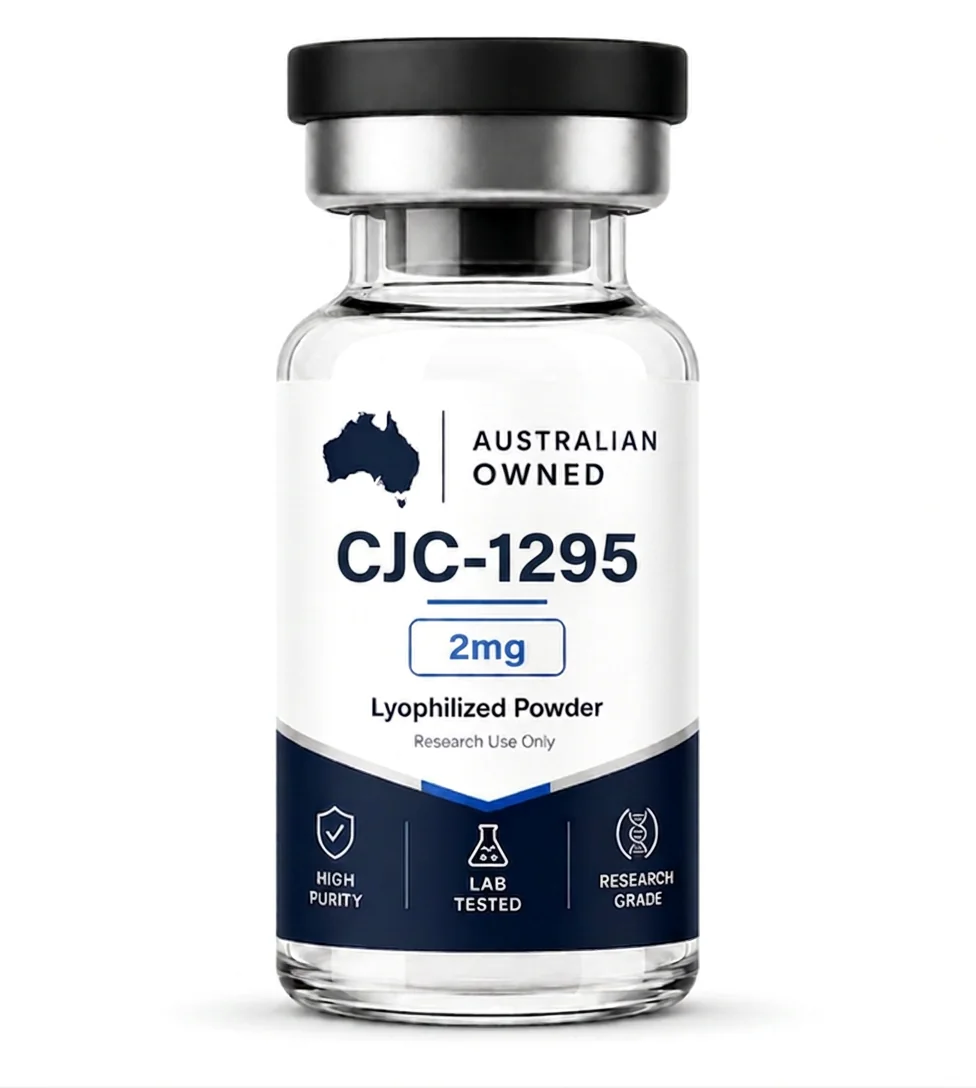
A professional framework for managing CJC ipamorelin within Australian research environments, focusing on molecular integrity, dilution precision, and cold-chain compliance.
The synergistic application of cjc ipamorelin serves as a focal point for Australian researchers examining growth hormone secretagogue pathways. Maintaining the structural fidelity of these amino acid chains requires a rigorous approach to laboratory logistics, ensuring that environmental variables do not compromise the biochemical data collected during longitudinal studies via Buy Peptides.
Core Principles of Peptide Integrity Management
Achieving reproducible results with cjc ipamorelin hinges on two critical factors: purity verification and thermal regulation. In the Australian climate, the transit and storage phases represent the highest risk for molecular degradation. Following a standardised intake and preparation workflow mitigates these risks effectively.
| Control Stage | Required Action | Scientific Rationale |
|---|---|---|
| Validation | Cross-reference batch ID with HPLC reports | Ensures the sequence purity meets the >98% research benchmark |
| Hydration | Slow-drip introduction of bacteriostatic water | Prevents mechanical shearing of the delicate peptide structure |
| Preservation | Constant refrigeration at 2°C to 8°C | Slows the rate of hydrolytic degradation and oxidation |
| Organisation | Date-stamping of reconstituted vials | Tracks the potency window within the 30-day stability limit |
Standardised Reconstitution Workflow
Precision during the transition from lyophilised powder to aqueous solution is paramount for cjc ipamorelin. Laboratory personnel should adhere to the following steps to ensure uniform concentration throughout the vial.
- Sanitise the laboratory workspace and all vial stoppers using 70% isopropyl alcohol.
- Gently introduce the diluent against the glass wall rather than directly onto the lyophilised cake.
- Allow the vial to sit undisturbed for several minutes to facilitate natural dissolution.
- Employ a light swirl technique to homogenise the liquid; avoiding any vigorous shaking.
- Inspect the final solution for total clarity, ensuring no suspended particulates remain.
Technical Tools for Australian Researchers
Access our suite of digital resources to assist with your cjc ipamorelin experimental planning and documentation.
Environmental Safeguards for Domestic Research
Australian laboratories often face unique thermal challenges. To preserve the shelf life of cjc ipamorelin, specific storage tiers must be respected. Lyophilised (dry) vials are best kept at -20°C for long-term archiving, whereas reconstituted solutions require consistent refrigeration. Exposure to direct light or fluctuating temperatures in non-medical grade cooling units can lead to rapid peptide fragmentation.
Documentation and Compliance
- Maintain a digital ledger of every batch number and its corresponding analytical report.
- Record the exact volume of diluent used to ensure concentration accuracy across multiple researchers.
- Log the date of first puncture to monitor the effective lifespan of the bacteriostatic agent.
- Store all hard-copy COAs in a centralised safety data folder for institutional audits.
Secure High-Purity CJC Ipamorelin
Order domestically from our Melbourne-based facility for rapid transit and verified laboratory standards.
Common Inquiries Regarding CJC Ipamorelin Management
Why is the gradual addition of diluent necessary for this specific pair?
Peptides like cjc ipamorelin have delicate molecular bonds. High-pressure liquid impact can cause physical denaturation, rendering the research material ineffective for precise biological assays.
How long does a mixed vial remain viable for reliable data collection?
Under optimal refrigerated conditions (2–8°C) using bacteriostatic water, most investigative protocols recommend usage within 4 weeks to ensure peak potency.
What indicates that a cjc ipamorelin vial has been compromised?
Visual indicators include cloudiness, the presence of visible floaters after mixing, or a yellowish tint to the lyophilised cake, which may suggest moisture ingress or heat damage.
Should the vial be stored in the freezer once it has been mixed?
No. Freezing a liquid solution can cause the formation of ice crystals that damage the peptide structure. Refrigeration is the standard requirement post-reconstitution.
Support Your Research Pipeline
Connect with Australia's leading supplier for consistent batch quality and technical documentation support.