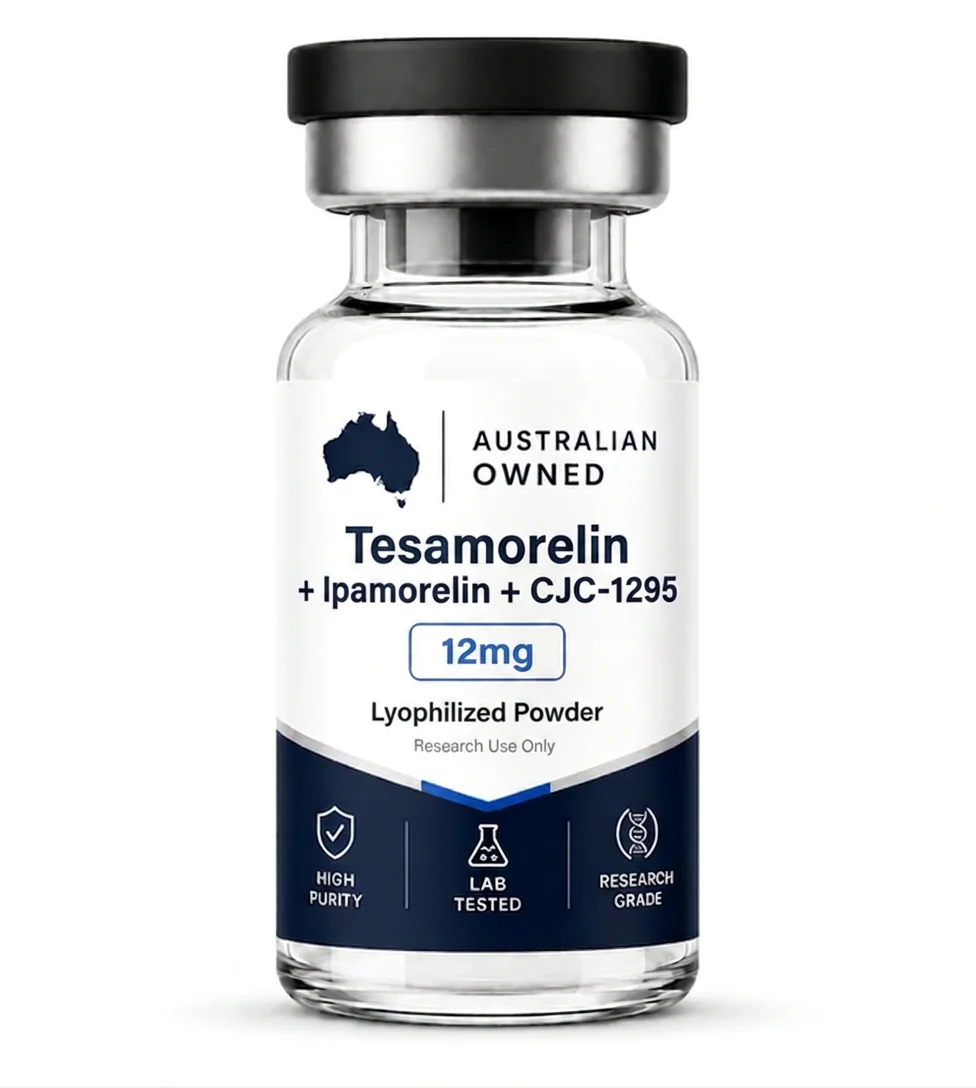
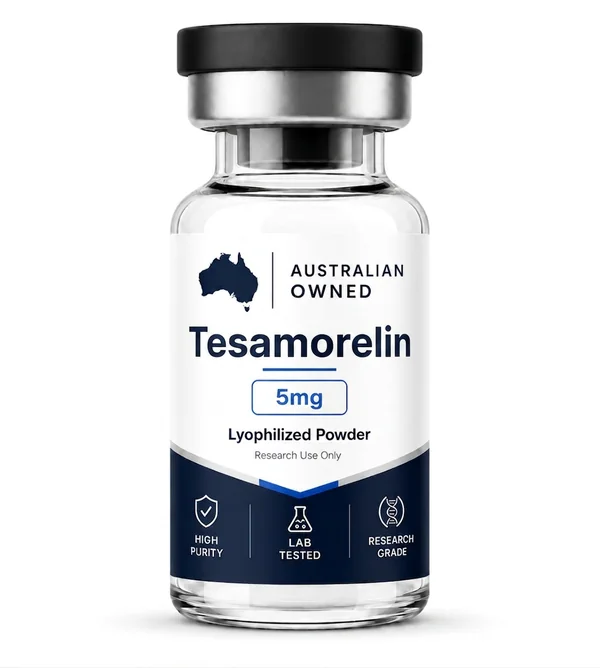
A comprehensive framework for Australian researchers on the procurement and handling of Tesamorelin, focusing on batch-specific validation and cold-chain integrity.
For researchers looking to buy peptides tesamorelin in Australia, the primary objective is ensuring chemical identity and sequence precision. The reliability of growth hormone-releasing hormone (GHRH) analogues hinges on the stability of the 44-amino acid structure during the transition from lyophilised powder to laboratory solution. This guide details the essential quality checkpoints and handling standards necessary for consistent scientific outcomes.
Pre-Analytical Verification: Validating Compound Integrity
Before any experimentation begins, investigators must conduct a rigorous assessment of the incoming reagent. Because Tesamorelin is highly sensitive to environmental stressors, verification of batch purity and structural stability is the first line of defence against experimental error.
- Perform a visual inspection of the lyophilised cake to ensure no signs of deliquescence or vacuum loss.
- Cross-reference batch numbers on vial labels against the provided laboratory documentation.
- Review the High-Performance Liquid Chromatography (HPLC) results to confirm a minimum purity threshold of 98%.
- Utilise Mass Spectrometry (MS) data to verify the molecular mass corresponds to the GHRH analogue sequence.
Examine Technical Documentation
Review our comprehensive database of analytical reports for current research batches.
Optimal Reconstitution Strategy
The dissolution phase is a critical point where mechanical stress can lead to peptide denaturation. When you buy peptides tesamorelin for research, the following methodology preserves the molecular architecture of the compound.
- Allow the vial to reach room temperature naturally to prevent moisture condensation during the seal breach.
- Sanitise the rubber stopper with an aseptic wipe prior to needle insertion.
- Slowly introduce the diluent (typically bacteriostatic water) by aiming the stream at the glass wall rather than the powder itself.
- Employ a gentle swirling motion; vigorous shaking must be avoided to prevent the formation of bubbles and subsequent protein shearing.
- Document the final concentration (mg/mL) and the date of initial entry on the vial label.
Concentration and Stability Parameters
| Storage State | Temperature Target | Stability Duration |
|---|---|---|
| Lyophilised (Dry) | -20°C (Long term) | Up to 24 Months |
| Reconstituted | 2°C to 8°C | 28 - 42 Days |
| Ambient Transit | 15°C to 25°C | Limited to 7-10 Days |
Inventory Preservation and Climate Control
Maintaining a stable cold chain is vital once the peptide is in a liquid state. Australian labs should utilise dedicated refrigeration units with consistent thermal monitoring to prevent potency loss. It is recommended to store vials away from the door to avoid fluctuations caused by frequent access.
Research Reagent Procurement
Source high-purity GHRH analogues with fast domestic dispatch across Australia.
Procurement Compliance FAQ
How is the purity of Tesamorelin verified in Australia?
Every batch undergoes independent HPLC and MS testing. Researchers can access these reports via our COA library to confirm the chemical profile before use.
What is the recommended diluent for long-term research?
Bacteriostatic water is standard for multi-use vials as it contains 0.9% benzyl alcohol, which inhibits potential bacterial growth over the 28-day stability window.
Does Tesamorelin require refrigerated shipping?
In its lyophilised state, the peptide is structurally robust enough for ambient domestic transport. However, it should be moved to cold storage immediately upon arrival.
Can I refreeze the peptide after it has been mixed?
No. Freeze-thaw cycles can cause significant mechanical damage to the peptide bonds. Once reconstituted, the solution should be kept at 2–8°C.
Begin Your Study
Access our full range of research peptides and laboratory supplies for Australian institutions.