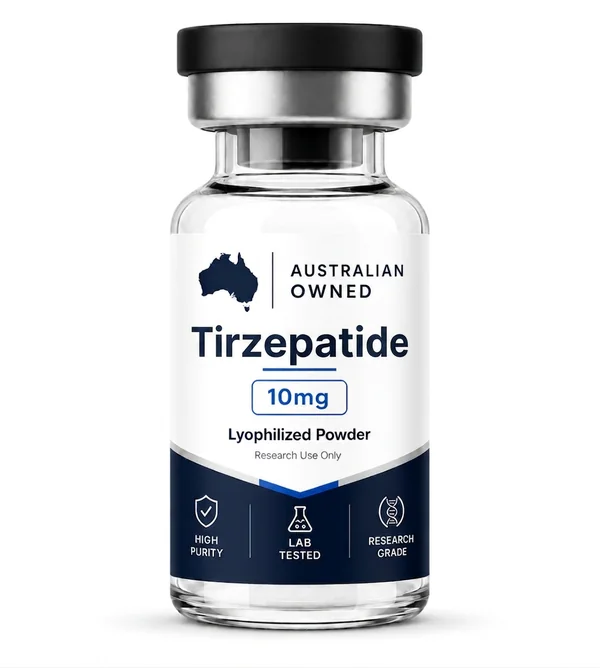

A deep dive into the procurement of aussie peptides for domestic research, focusing on chromatographic verification, stability testing, and local distribution efficiency.
Navigating the landscape of aussie peptides requires a focus on two primary pillars: chemical purity and supply chain reliability. For Australian laboratories, the ability to source high-grade biochemicals without the risks associated with international customs and lengthy transit times is paramount. Buy Peptides serves the domestic scientific community by providing research-grade ligands that undergo stringent analytical verification before ever entering a laboratory environment.
The Australian Research Standard: Beyond the Label
In a controlled study, the validity of any experimental result is tied directly to the integrity of the starting material. When researchers seek aussie peptides, they are looking for more than just a chemical name; they are looking for a documented history of purity. While global synthesis standards vary, the requirement for Australian benchwork remains consistent: reagents must match their theoretical molecular profile with a minimum of 98% purity to ensure reproducible data.
Verify Your Research Materials
Ensure your experimental data is built on a foundation of pure chemistry by reviewing our latest batch reports.
Optimising Benchtop Stability and Preparation
The transition from a lyophilised powder to an active solution is a critical phase where chemical degradation can easily occur. Proper handling of aussie peptides in the lab requires adherence to strict thermal and mechanical protocols. Rapid changes in temperature or aggressive agitation can disrupt the fragile peptide bonds, rendering the research material useless for precise assays.
Strategic Handling Protocols
- Environmental Equilibrium: Let the vial reach room temperature prior to introducing any diluent to prevent condensation and thermal shock.
- Precision Reconstitution: Introduce bacteriostatic water gently along the side of the glass to maintain the structural integrity of the peptide cake.
- Sedentary Solubilisation: Use a slow swirling motion rather than shaking; mechanical stress is a primary cause of peptide denaturation.
- Aliquot Management: For long-term studies, divide the solution into smaller, single-use volumes to avoid the degradation caused by frequent cap removal and temperature flux.
Technical Documentation Checklist
| Requirement | Australian Standard | Laboratory Impact |
|---|---|---|
| HPLC Purity | ≥ 98% | Reduces variables and off-target noise in assays. |
| Mass Spec Identity | Exact Mass Match | Confirms the specific amino acid sequence is correct. |
| Storage Temp | -20°C (Frozen) / 2-8°C (Liquid) | Prevents hydrolytic degradation and bacterial growth. |
| Solvent Grade | Bacteriostatic Water/Saline | Ensures the solution remains sterile for multi-day trials. |
Domestic Logistics: Eliminating Research Delays
Sourcing aussie peptides locally provides a significant advantage in maintaining the 'cold chain.' International shipments often face unpredictable delays in tropical climates or customs warehouses, which can lead to thermal degradation. By maintaining local inventory in Australia, Buy Peptides ensures that the time between the warehouse and the laboratory freezer is minimised, preserving the bioactivity of every vial.
Secure Your Domestic Supply
Fast-track your research with Australian-based shipping and reliable inventory management.
Frequently Asked Questions
Why is local Australian sourcing important for peptide research?
Local sourcing significantly reduces the risk of thermal damage during long-haul transit and eliminates the legal and logistical hurdles of international customs, ensuring fresh reagents for your lab.
How do I confirm the identity of the aussie peptides I receive?
Every vial is assigned a lot number that corresponds to a specific Mass Spectrometry report, which verifies the molecular weight and chemical identity of the compound.
What is the expected shelf life of these compounds?
In their lyophilised (powder) form, peptides remain stable for several years if stored at -20°C. Once reconstituted, they should typically be used within 30 days while kept under refrigeration.
Do you provide support for large-scale institutional projects?
Yes, we work with various Australian research bodies to ensure consistent batch availability and provide the necessary documentation for institutional compliance.